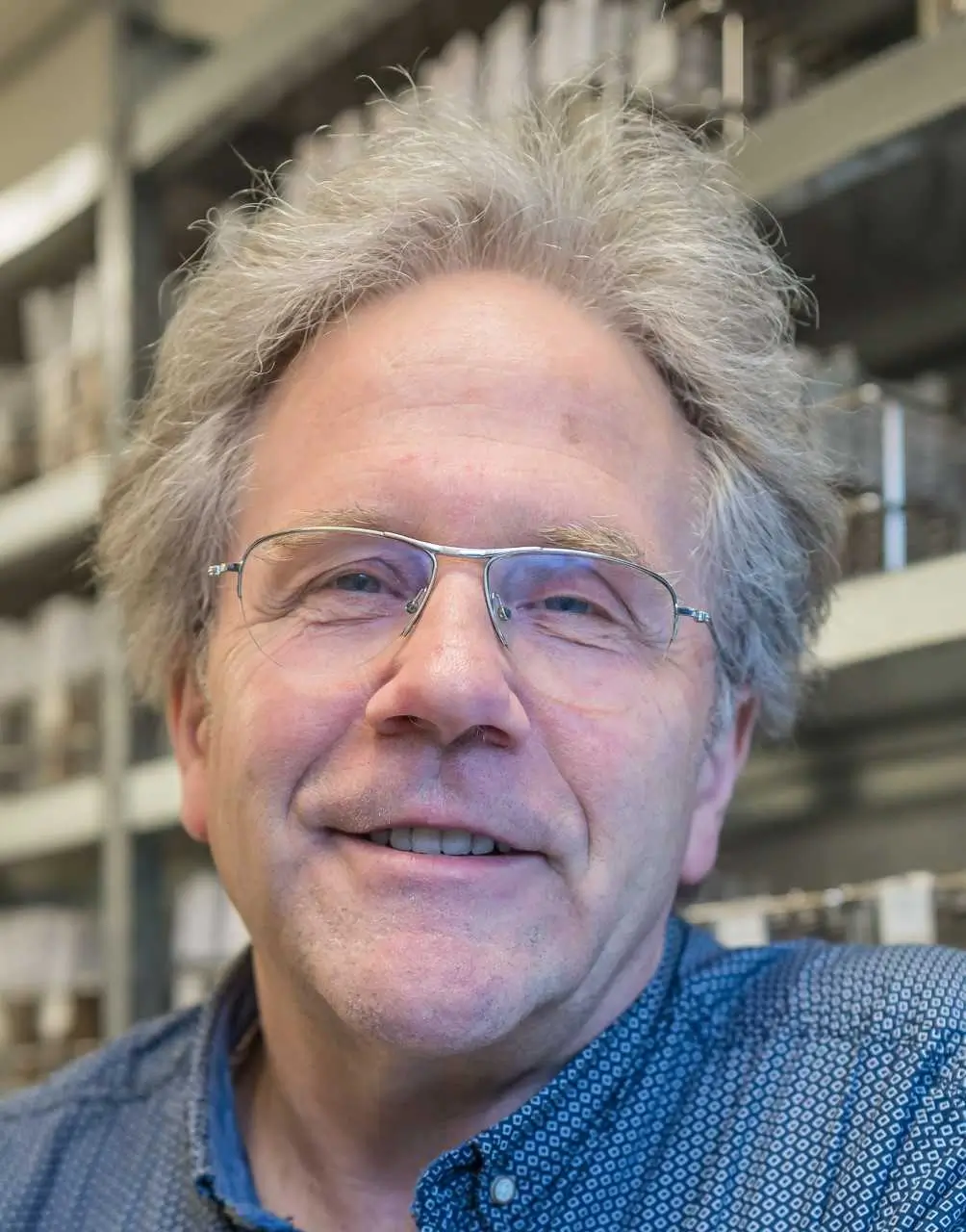
Prof. Teun Boekhout has been head of the yeast research department of Westerdijk Fungal Biodiversity Institute, Utrecht, the Netherlands, from which he retired April 2022. Since January 2023 until January 2026, he has a distinguished scientist fellow at King Saud University (KSU), Riyadh, Saudi Arabia where he was affiliated with the College of Science.
He has over 40 years of research experience in taxonomic mycology, especially of yeasts. He also worked on medical mycology, host pathogen interactions, and aspects of (functional) ecology.
His main research focused on the functional diversity of pathogenic yeasts, especially the Cryptococcus neoformans (Cn) species complex and Malassezia spp. Development of rapid and reliable diagnostics tools is an important topic. He was editor of the 5th edition of 'The Yeasts, a Taxonomic Study' that was published in 2011. He co-founded The Yeasts Foundation that has as its main aim to realize the electronic successor of theyeasts.org.
He published > 600 articles and book chapters, and his work is well cited. His total number of citations is 57,727, and since 2020 27,123. His h-index is 108, and since 2020 73. His i10 index is 453 and 317 2020 317 (data Google Scholar December 14 2025). One article is cited 6668 x, one 4795 x, five > 1000 x, 15 500-999 x, and 101 100-499 x.
Expertise:
Fungi, yeasts, mushrooms, biodiversity, taxonomy, bioprospecting, biosecurity, pathogens, ecology, evolution, identification, peptides, phylogeny, ultrastructure
Projects:
With colleagues of Princess Nourah Bint Abdulrahman University (PNU) I will explore the diversity of yeasts present in extreme environments at the Arabian Peninsula, a hardly studied area with respect to yeast diversity. Many new yeast species await discovery in this region of the world. Next to diversity, functional and applied aspects will be considered. In addition, several reviews are foreseen that describe state of the art of mycology, including medical mycology, at the Arabian Peninsula.
We will continue our research into the antimycotic, antibiotic and anticancer aspects of camel lactoferrin. Next to in vitro tests, efficacy tests are planned in cell lines and animals. These studies will be done in close collaboration with scientists from PNU, but also KSU.
